Housing starts and home sales: what the monthly reports measure
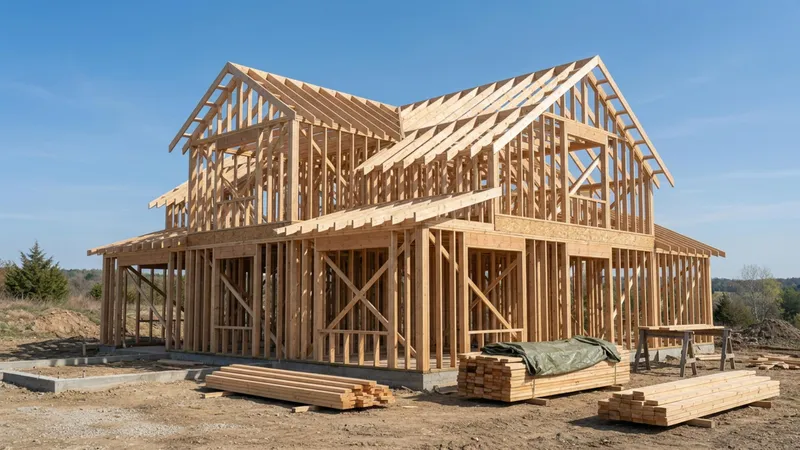
Housing starts, building permits, new home sales and house price indexes each measure something different. Here is what each government report counts, and what it leaves out.
GDP, recessions and the business cycle, how they are measured, and who dates recessions.
Housing starts, building permits, new home sales and house price indexes each measure something different. Here is what each government report counts, and what it leaves out.
The Census Bureau's monthly retail sales report is an early read on consumer spending, but it counts dollars sold, excludes services and is not adjusted for price changes. Here is how to read it.
The deficit is a one-year gap between federal spending and revenue; the national debt is the running total of borrowing. Here is what each measures and where the official numbers come from.
What labor productivity measures, why economists link output per hour to long-run living standards, and what the latest BLS figures show about productivity, pay and the labor share.
What the Federal Reserve's Beige Book is, how its twelve district reports are gathered, and how a mostly qualitative report differs from the numbers in agency data releases.
How the Bureau of Economic Analysis measures the personal saving rate, why it is a leftover rather than a count of deposits, and why it moves and gets revised.
What the official record shows about jobs, prices and interest rates in past U.S. recessions, how much those recessions differed, and where savings and unemployment insurance fit.
What gross domestic product measures and leaves out, why each quarter's figure is estimated three times, and how the NBER committee dates recessions months after the fact.